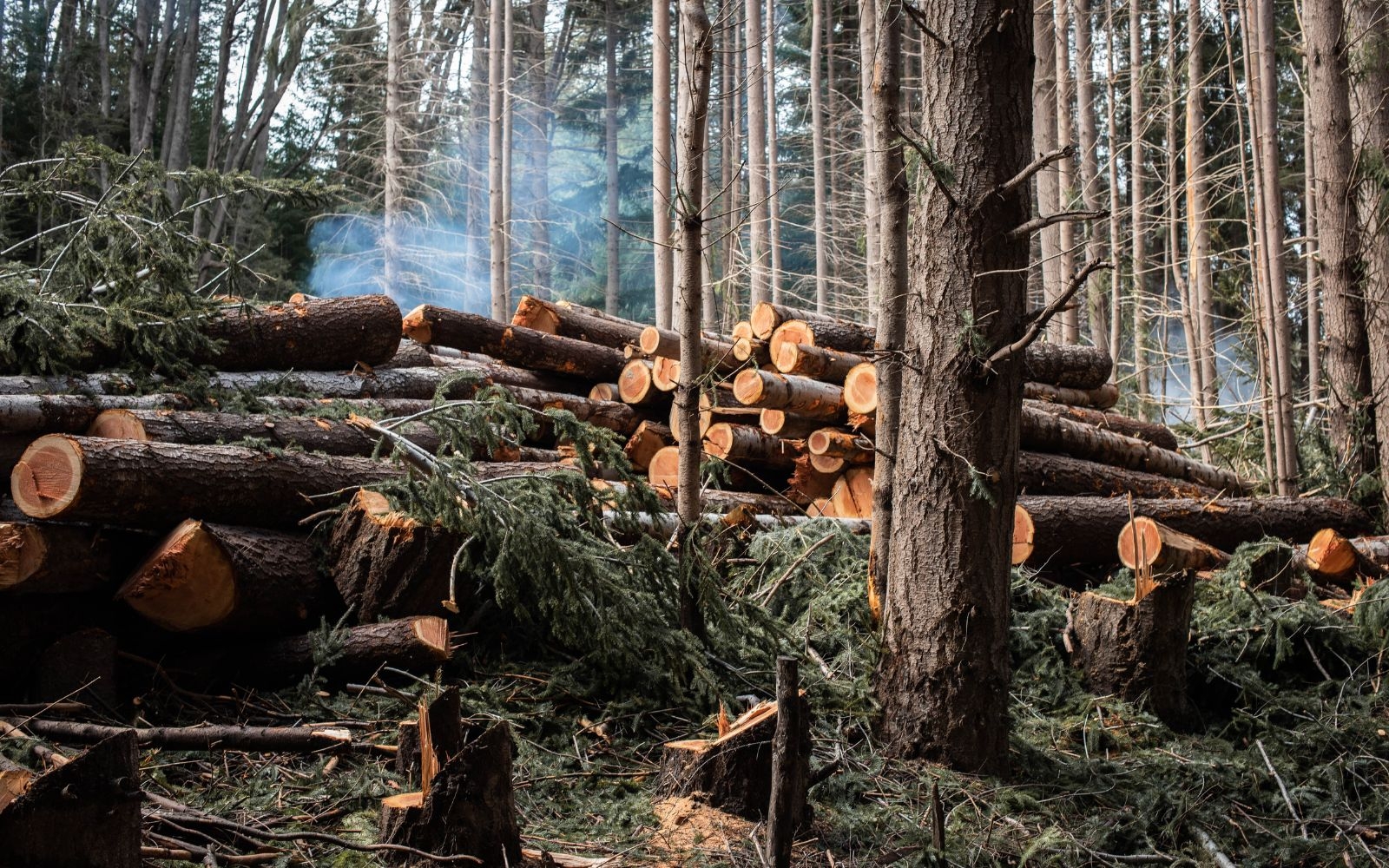
Tree Removal services by qualified staff for safe removal of trees of any size.
Tree Pruning services to enhance tree health, aesthetics, and property safety.
Tree Lopping, Cutting, and Removal for large or hazardous branches and trees.
Palm Tree Removal including stumps, fronds, leaves, seeds, and fruit.
Hedge Pruning for neat, attractive, and safe hedge growth.
Land Clearing for residential, commercial, and agricultural areas, including large-scale projects.
Block and Land Clearing for property preparation, construction, or landscaping.
Stump Grinding with modern machinery to remove all traces of tree stumps.
Commitment to protecting property and surrounding areas during tree services.
Trusted location at Unit 9/169 Beavers Rd, Northcote VIC 3070, serving Melbourne homeowners and businesses.
Use of modern, high-quality equipment and safety gear for all tree care operations.
Comprehensive insurance coverage for all services, ensuring client peace of mind.
Identification of hazards including overgrown branches, storm damage, proximity to cables, and invasive roots.
Professional handling of pest infestations and excessive or misdirected tree growth.
Efficient, experienced, and results-driven service for timely project completion.
Free, obligation-free quotes to help clients make informed decisions.
Personalized consultation and guidance to address tree and garden concerns.
Service coverage across all Melbourne suburbs including North Melbourne, South Melbourne, Port Melbourne, East Melbourne, West Melbourne, Albert Park, Middle Park, St Kilda, Windsor, Prahran, Richmond, Brunswick, Northcote, Fitzroy, Hawthorn, and Sunshine.
Dedicated team focused on maintaining Melbourne’s natural beauty and garden safety.
Expert advice on tree health, maintenance, and property improvement.
Palm trees are unique in their biological and structural characteristics, which can influence the difficulty of their removal compared to other tree types. Unlike most trees, palms have a single apical meristem, commonly known as the "heart" of the palm. This central growth point is crucial for the tree's survival, and damage to it can result in the death of the tree. This singular growth pattern means that the removal process must be handled with care to avoid unintended damage, especially if the goal is transplanting rather than complete removal.
Structurally, palm trees differ significantly from deciduous and coniferous trees. They possess a fibrous root system that spreads out widely but remains relatively shallow. This can make palms easier to uproot in some cases. However, the extensive reach of the roots can complicate removal if they have intertwined with underground utilities or other structures. Moreover, the trunk of a palm tree is not composed of traditional wood but rather a dense, fibrous material that can be more challenging to cut through with standard equipment.
Additionally, the height and weight of palm trees can pose logistical challenges. Many species can grow exceptionally tall, necessitating specialized equipment and expertise to safely cut down and transport the tree. The fronds of palm trees are also uniquely structured, often requiring careful handling to prevent injury from their sharp edges. These factors combined mean that while palm trees may sometimes be easier to uproot due to their root structure, their overall removal can be more complex and labor-intensive, requiring a tailored approach and specialized knowledge.
Before removing a palm tree, a thorough assessment is crucial to determine the best approach. This involves evaluating the tree's size, species, and health, as well as its location relative to structures and power lines. Additionally, understanding the root system's spread can prevent damage to nearby infrastructure. Safety is a top priority, so potential hazards like unstable soil or tree diseases must be identified. This assessment ensures that the removal process is both safe and efficient, minimizing risks to both property and individuals involved.
Choosing the right equipment is essential for removing palm trees effectively. Chainsaws and pruning tools are commonly used for cutting through the dense trunk and fronds. In some cases, cranes may be necessary to safely lower large sections of the tree to the ground, especially in urban environments. Protective gear such as helmets, gloves, and harnesses are crucial for the safety of the workers. The equipment selected must be suitable for the tree's size and location, ensuring that the process is both efficient and safe.
Various cutting techniques are employed to safely dismantle a palm tree. The top-down method involves removing the tree in sections from the top down, which is ideal for palms located near buildings. This controlled approach prevents damage to surrounding areas and ensures the tree falls in a predetermined path. Additionally, palm fronds are often removed first to reduce weight and improve visibility. Each cut must be precise, and workers must be trained to handle unexpected shifts in the tree's balance during the process.
After the above-ground parts of the palm tree are removed, the stump remains a significant challenge. Stump grinding is a common method used to remove the stump below ground level, preventing future growth and eliminating tripping hazards. This involves grinding the stump into small chips, which can then be used as mulch. In cases where grinding is not feasible, chemical treatments can accelerate the stump's decay. Proper stump removal is essential for site restoration and to allow for new landscaping or construction.
Disposing of palm tree debris is a critical part of the removal process. The fronds and trunk can be bulky, making transportation to disposal sites challenging. Some debris can be chipped into mulch, providing an eco-friendly disposal method. In certain regions, palm wood is repurposed for various uses, such as in garden projects or as firewood. It's important to comply with local regulations regarding green waste disposal, ensuring that the process is environmentally responsible and cost-effective.
When it comes to removing palm trees, several factors can make the process more complicated compared to other tree types. One of the primary challenges is the unique root system of palm trees. Unlike traditional trees that have expansive root networks, palm trees possess a fibrous root system that can be extensive and dense, often intertwining with nearby structures or utilities. This requires specialized techniques and equipment to ensure safe and efficient removal without causing damage to surrounding areas.
The location of the palm tree also plays a crucial role in removal complexity. Trees situated in confined spaces, near power lines, or in urban environments demand extra caution and expertise. Professional tree removal services must assess these scenarios to determine the best approach, which may involve obtaining permits or coordinating with local authorities to ensure public safety.
Key Considerations in Palm Tree Removal:
Another factor is the height and structure of palm trees. Many palm species grow exceptionally tall and have slender trunks, which can make them more susceptible to wind sway during removal. This necessitates careful planning and execution, often involving the use of cranes or other heavy machinery to safely lower sections of the tree to the ground. Additionally, the weight of the palm fronds and trunk can be significant, requiring proper handling to prevent accidents.
Lastly, the species of palm tree can influence the difficulty of removal. Some species have spiky or sharp fronds that pose a risk to workers, while others may have trunks that are resistant to cutting tools. Understanding these characteristics is essential for selecting the appropriate equipment and ensuring a smooth removal process.
When it comes to tree removal, palm trees present unique challenges compared to other common tree types. Unlike deciduous trees, which have a more traditional branch and root structure, palm trees are monocots. This means they have a fibrous root system that can be extensive and difficult to extract. While the roots of typical deciduous trees grow deep and can often be removed in larger sections, palm roots spread out over a wide area, making them more labor-intensive to remove completely.
Another factor to consider is the trunk structure. Palm trees have a singular, tall trunk that can be deceptively heavy. The trunk is often more flexible than those of other trees, which can complicate the cutting and removal process. In contrast, trees like oaks and maples have sturdy, multi-branch structures that can be systematically pruned and removed in sections, often making them easier to manage during the removal process.
Moreover, palm trees can grow to significant heights, and their fronds can be cumbersome to handle. While tall trees of other types also pose challenges, the fronds of a palm can add an extra layer of complexity, requiring specialized equipment and techniques to ensure safe removal. This is especially true in urban areas, where space is limited and safety concerns are paramount.
In summary, while all tree removals come with their own set of challenges, palm trees require specific expertise due to their unique root systems, trunk structure, and overall size. As such, they can often be more difficult to remove than other common tree types, necessitating specialized skills and equipment.
When considering the removal of palm trees, it's essential to evaluate the environmental implications associated with the process. Unlike other tree types, palm trees have a unique structure and ecological role that can influence the surrounding environment. Before removing a palm tree, one should consider the potential impact on local biodiversity. Palm trees often serve as habitats for various bird species, insects, and small mammals. Their removal can disrupt these habitats and affect the local ecosystem balance.
Moreover, palm trees are known for their ability to stabilize soil and prevent erosion, especially in coastal areas. Removing them could lead to increased soil erosion, which may have further environmental repercussions, such as sediment runoff into nearby water bodies. This runoff can degrade water quality and harm aquatic life. Therefore, it's vital to assess the location and function of the palm tree in its environment before proceeding with removal.
Additionally, the method of removal can have significant environmental effects. Mechanical removal, for instance, may cause soil compaction and damage to surrounding vegetation, whereas chemical methods can introduce harmful substances into the ecosystem. Opting for environmentally friendly removal techniques, such as manual extraction or using biodegradable chemicals, can help mitigate these impacts.
Lastly, responsible disposal of the removed palm tree is crucial. Recycling the biomass, using it for mulch, or repurposing the wood for construction can significantly reduce the environmental footprint of the removal process. By carefully considering these factors, one can ensure that palm tree removal is conducted in an environmentally conscious manner, minimizing its impact on the ecosystem.
Removing palm trees can be a complex and costly endeavor, often more so than other types of trees. Several factors contribute to this, including the tree's height, the size of its root system, and the specific equipment required for removal. Palm trees, especially mature ones, can grow to impressive heights, making them challenging to cut down safely. This often necessitates the use of specialized machinery and skilled arborists, which can significantly drive up costs.
In comparison, many other tree types, such as deciduous trees, may have less complex removal processes. These trees often have branches that are easier to handle, and their root systems, while extensive, might not require the same level of excavation as palms. Additionally, the fibrous nature of palm trunks can dull standard chainsaws more quickly, necessitating additional maintenance or specialized tools, further increasing expenses.
Another factor influencing the cost is the disposal of the tree after removal. The dense, fibrous trunks of palm trees can be difficult to chip and dispose of compared to softer wood from other trees. This can lead to higher disposal fees, as well as increased labor costs.
Moreover, the location of the palm tree can also impact the removal cost. If a palm is located close to structures or power lines, additional precautions and techniques are required to ensure safe removal, which can add to the overall expense.
Ultimately, while the cost of removing a palm tree can be higher than that of other tree types, the exact price will depend on several factors, including the tree's size, location, and the specific challenges it presents. It is always advisable to obtain quotes from multiple tree removal services to ensure you receive a fair price.
In examining the challenges of palm tree removal, several case studies provide valuable insights into the unique difficulties and effective strategies involved. One notable case involved a residential property in Florida where a large, mature palm tree was threatening the structure of a nearby house. The tree's extensive root system had begun to encroach on the foundation, posing a significant risk. The removal process required careful planning to avoid further damage. Arborists employed a methodical approach, using specialized equipment to ensure that the tree was safely dismantled without causing harm to the surrounding property.
Another example comes from a commercial setting in California, where a palm tree was obstructing the visibility of a retail storefront. The tree's height and proximity to power lines added layers of complexity. In this instance, the solution involved a coordinated effort with utility companies to temporarily shut off power, allowing for the safe use of cranes and other heavy machinery. The removal team executed a precise operation, segmenting the palm into manageable sections and ensuring minimal disruption to the business.
These cases highlight the importance of tailored solutions in palm tree removal. Unlike other trees, palms often require specialized techniques due to their structural characteristics. Their height, root systems, and the environments they thrive in present unique challenges that necessitate expert intervention. By learning from these specific instances, both homeowners and professionals can better anticipate and manage the complexities associated with palm tree removal, ensuring safety and efficiency in every operation.


Tree care is the application of arboricultural methods like pruning, trimming, and felling/thinning[1] in built environments. Road verge, greenways, backyard and park woody vegetation are at the center of attention for the tree care industry. Landscape architecture and urban forestry[2][3] also set high demands on professional tree care. High safety standards against the dangers of tree care have helped the industry evolve. Especially felling in space-limited environments poses significant risks: the vicinity of power or telephone lines, insufficient protective gear (against falling dead wood, chainsaw wounds, etc.) and narrow felling zones with endangered nearby buildings, parking cars, etc. The required equipment and experience usually transcends private means and is often considered too costly as a permanent part of the public infrastructure. In singular cases, traditional tools like handsaws may suffice, but large-scale tree care usually calls for heavy machinery like cranes, bucket trucks, harvesters, and woodchippers.
Road side trees are especially prone to abiotic stress by exhaust fumes, toxic road debris, soil compaction, and drought which makes them susceptible to fungal infections and various plant pests[4] like the spotted lantern fly.[5] When tree removal is not an option, because of road ecology considerations, the main challenge is to achieve road safety (visibility of road signs, blockage-free lanes, etc.) while maintaining tree health.

While the perceived risk of death by falling trees (a part of the "tree risk" complex) is influenced by media and often hyped (the objective risk has been reported to be close to 1 : 10.000.000, almost as low as death by lightning),[6] singular events have encouraged a "proactive" stance so that even lightly damaged trees are likely to be removed in urban and public traffic surroundings.[3] As a tree ages and nears the end of its safe useful life expectancy (SULE),[7] its perceived amenity value is decreased greatly. A risk assessment normally carried out by local council's arborist to determine the best course of action.[8] As with all public green spaces, trees in green urban spaces and their careful conservation is sometimes in conflict with aggressive urban development even though it is often understood how urban trees contribute to liveability of suburbs and cities both objectively (reduction of urban heat island effect, etc.) and subjectively.[9][10][11][12] Tree planting programs implemented by a growing number of cities, local councils and organizations is mitigating the losses and in most cases increasing the number of trees in suburbia.[13] Programs include the planting of 2 trees for every 1 tree removed, while some councils are paying land owners to keep trees instead of removing them for farming or construction.[14]
The voluntary industry consensus standards developed by TCIA, resulted in the ANSI A300 standard, the generally accepted industry standard for tree care practices including trees, shrubs, and other woody plants.[15] It includes the following parts:
Urban Forestry maintains 4.1 million trees on public property, which includes an estimated 3.5 million trees within Toronto's parks and ravines, and approximately 600,000 trees on City streets. ... The focus of our maintenance service is shifting progressively from reactive maintenance to proactive maintenance.
cite web: CS1 maint: multiple names: authors list (link)Ho Chi Minh City has announced a plan to move and cut down 300 trees on Ton Duc Thang Street in District 1 to make space for a bridge connecting to District 2 and a metro station.